
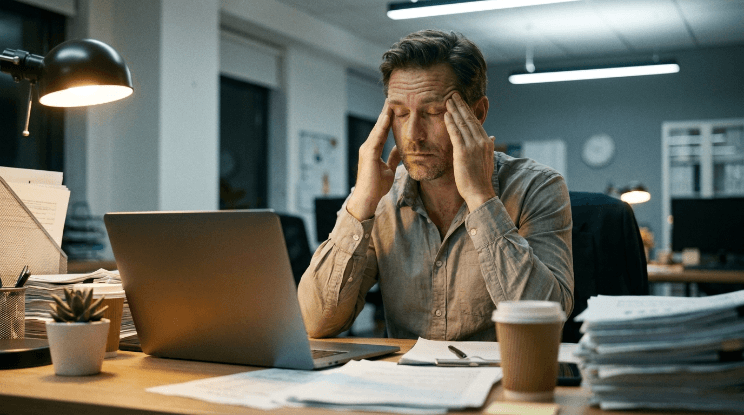
Chronic stress quietly damages your physical and mental health long before most people recognize the connection. Stress management therapy gives you clinical tools to interrupt that cycle instead of pushing through exhaustion indefinitely. This guide explains how chronic stress affects your body, when therapy becomes necessary, and which techniques produce measurable relief. You will also find answers to common questions about symptoms, timelines, and treatment options.
What Is Chronic Stress?
Chronic stress happens when your body’s fight-or-flight response stays activated over weeks or months instead of resolving after a single stressful event. The American Psychological Association links chronic stress to major health risks, including heart disease, weakened immunity, and worsened mental health conditions. Unlike acute stress, which fades once a specific situation passes, chronic stress builds gradually from ongoing pressures like work demands, financial strain, or caregiving responsibilities. Left unmanaged, it raises cortisol levels and disrupts sleep, digestion, and emotional regulation over time.
What Are the Signs You Need Stress Management Therapy?
Persistent fatigue, irritability, trouble concentrating, and frequent headaches often signal that stress has moved beyond a manageable level. Physical symptoms like muscle tension, digestive issues, and disrupted sleep frequently accompany chronic psychological stress. Many patients also notice increased reliance on unhealthy coping habits, including overeating, alcohol use, or social withdrawal. If self-help strategies like exercise and rest no longer relieve your stress, a licensed provider can help you identify root causes and build a targeted plan.
How Does Stress Management Therapy Work?
Stress management therapy starts with identifying your specific stressors and how your body and mind respond to them. A provider teaches evidence-based techniques such as cognitive restructuring, which helps you challenge unhelpful thought patterns that amplify stress. Relaxation training, including breathing exercises and progressive muscle relaxation, gives you tools to calm your nervous system in real time. Your provider also addresses related concerns like anxiety or insomnia that often develop alongside chronic stress.
What Techniques Reduce Stress Most Effectively?
Regular physical activity lowers stress hormones and improves mood through the release of endorphins, making it one of the most effective tools available. Mindfulness and meditation practices train your brain to observe stressful thoughts without becoming overwhelmed by them. Structured problem-solving helps you address the practical sources of stress rather than only managing the emotional response. According to APA guidance, strong social support also reduces the physical toll of stress, so many treatment plans include strategies for strengthening relationships and communication.
When Should You See a Professional for Stress?
See a professional when stress affects your work performance, relationships, or physical health despite your best self-care efforts. A psychiatric provider can also determine whether your symptoms point to a diagnosable condition like generalized anxiety disorder that requires additional treatment. Early intervention prevents chronic stress from developing into more serious mental or physical health complications. Your provider builds a personalized plan that may include therapy, lifestyle changes, or medication depending on your specific needs.
Building Long-Term Resilience to Stress
Long-term stress management goes beyond short-term relief techniques and focuses on building sustainable habits. Consistent sleep schedules, regular movement, and boundaries around work hours all reduce baseline stress levels over time. Patients who practice mindfulness regularly report fewer stress spikes and faster recovery after difficult events. Ongoing check-ins with a provider help you adjust your plan as life circumstances and stress levels change.
Stress at Work vs. Stress at Home
Work-related stress often stems from heavy workloads, unclear expectations, or conflict with colleagues and supervisors. Patients dealing with workplace stress benefit from boundary-setting techniques and communication scripts that reduce ongoing friction. Home-related stress frequently involves caregiving duties, financial pressure, or relationship conflict, each requiring a distinct coping approach. A provider helps patients separate the sources of stress so they can apply targeted strategies instead of a single generic solution. Addressing both domains together prevents stress from one area spilling over and compounding pressure in the other.
The Role of Sleep in Stress Recovery
Poor sleep and chronic stress feed each other in a cycle that becomes harder to break the longer it continues. Elevated cortisol levels from ongoing stress interfere with the body’s ability to fall and stay asleep. Sleep deprivation then reduces emotional regulation, making everyday stressors feel more overwhelming than they actually are. Providers often address sleep hygiene alongside stress management, since improving sleep quality directly reduces baseline stress reactivity. Patients who prioritize consistent, restorative sleep typically report faster progress in overall stress management treatment.
Frequently Asked Questions
Can chronic stress cause physical illness?
Yes. The APA links chronic stress to cardiovascular disease, weakened immune function, and digestive problems, making stress management essential for physical health.
How is stress management therapy different from general therapy?
Stress management therapy focuses specifically on identifying stress triggers and building coping techniques, though it often overlaps with broader anxiety or mood treatment.
How many sessions does stress management therapy require?
Many patients notice improvement within six to twelve sessions, though ongoing support helps maintain progress during high-stress periods.
Can stress management therapy help with work-related burnout?
Yes. Therapy addresses the thought patterns and coping habits that contribute to burnout while helping you set sustainable boundaries at work.
Conclusion
Chronic stress rarely resolves on its own, and it takes a measurable toll on your body and mind the longer it continues. Structured support gives you practical tools to protect your health before stress leads to bigger complications.
Start managing your stress today. Schedule a consultation with True Light Wellness to build a personalized stress management plan.